How to Stake Your First Mining Claim
The real process of finding open ground, filing a federal mining claim with the BLM, and holding it — for hundreds of dollars, not thousands.
Table of Contents
How to Stake Your First Mining Claim
At some point every serious prospector has the same thought: "I keep finding color here — what if this ground were *mine*?" Under the Mining Law of 1872, a US citizen can still claim the mineral rights to public land for a few hundred dollars in fees. Not buy the land — claim the exclusive right to prospect and mine it.
The process is genuinely doable yourself. It is also surrounded by an industry of claim-mill websites that will happily charge you thousands for paperwork you can file for the cost of lunch. Here's the honest version.
What a Mining Claim Actually Is
Step 1: Find Ground Worth Claiming
This is 80% of the job and the step everyone rushes. A claim on barren ground is an annual bill, not an asset.
Step 2: Confirm the Ground Is Open
Two searches, both free:
The classic beginner's burn: relying on a claim-map website that's six months stale, staking, filing, and then discovering an active claim that predates yours. Your filing fees are not refundable. Always verify against primary records, dated the week you stake.
Step 3: Physically Stake It
Federal claims still require physical monuments on the ground — this is the "staking" in staking a claim:
State rules differ on monument specifics — check before you drive out.
Step 4: File the Paperwork
Two filings, strict deadlines measured from your location date:
Current federal costs for one 20-acre placer claim run roughly $250–$400 in first-year fees (location fee, processing fee, and first year's maintenance fee), plus county recording of $10–$50. That's the entire real cost of doing it yourself — compare that to what claim-filing services charge.
Step 5: Hold It
Put it on your calendar the day your claim is accepted. More claims are lost to a forgotten deadline than to any other cause.
The Full Playbook
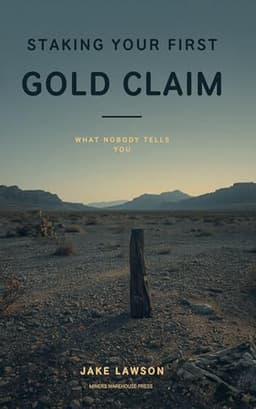
Every step above has depth I can't fit in one guide: reading MLRS township plats, handling over-staking disputes, lode-vs-placer decisions, association claims with partners, selling or leasing a claim later. I wrote the whole process into a book — Staking Your First Gold Claim: What Nobody Tells You — including the worksheets I use for land-status checks and the actual filled-out example forms. It costs less than one hour of a claim consultant's time.
Or Buy Ground That's Already Proven
Staking makes sense when you've found your own gold on open ground. But if you'd rather start with a claim that has documented production history, our sister site MiningClaimSales.com lists gold, placer, and patented claims for sale across the western US — plus free BLM filing guides for all 19 claim states if you go the DIY route.
Related Guides:
Go Deeper
Staking Your First Gold Claim
Find open ground, file with the BLM yourself, and hold your claim for what it actually costs.
Ready to Put This Knowledge Into Practice?
Browse our curated selection of gold prospecting equipment and start your journey today.